A Personal Timeline
The Fading Echoes of Galicia
The Root of my Identity
Spain's holy region. Agricultural, green, wild, with abandoned hamlets and the road to Santiago de Compostela, a pilgrimage like no other.
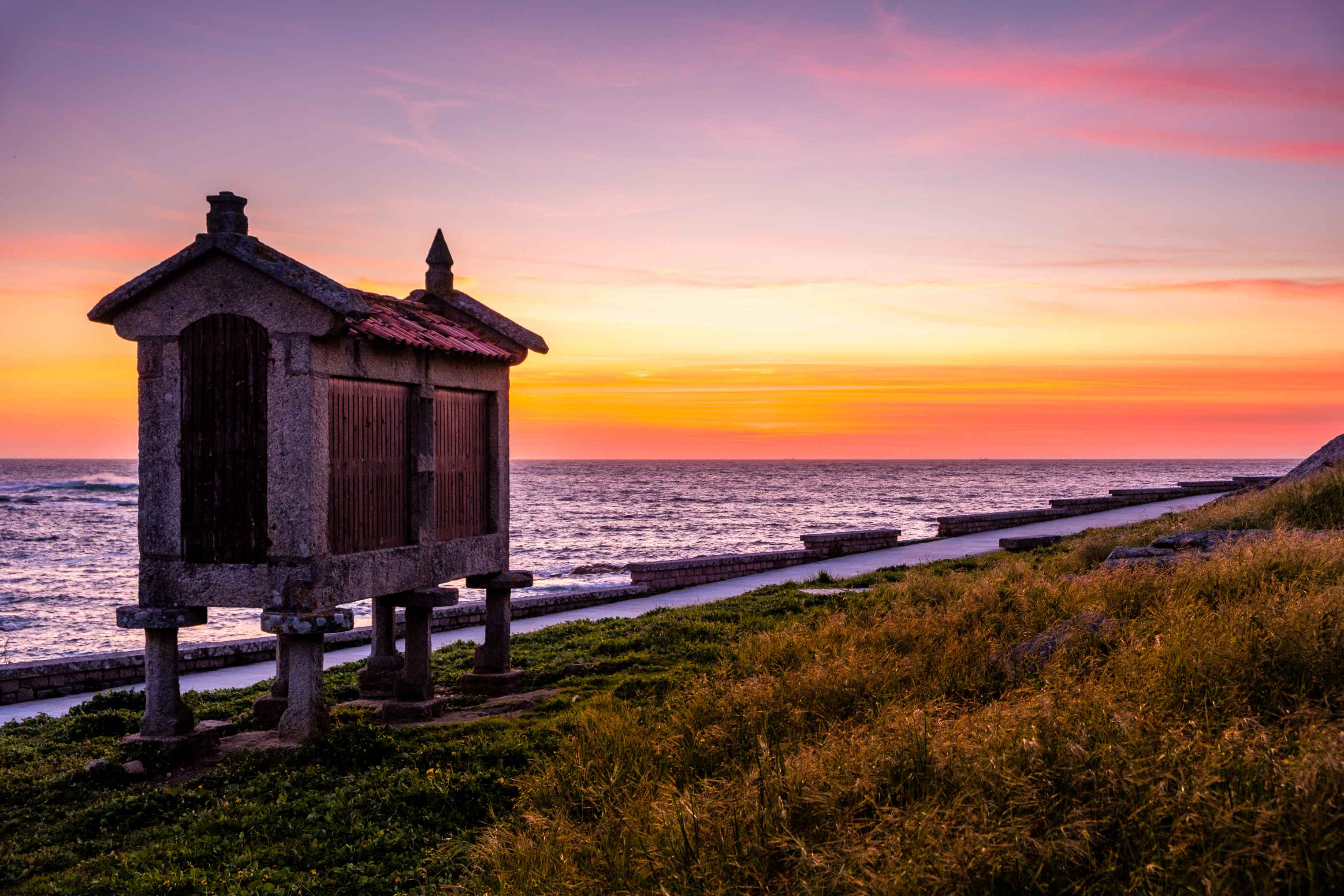
Spain's holy region. Agricultural, green, wild, with abandoned hamlets and the road to Santiago de Compostela, a pilgrimage like no other.
My struggle with history has stemmed from searching for material that carries profound meaning. I am no historian, only someone whose blood is tied to a long-standing curiosity about Spain’s past, its seventeen autonomous communities, and how they came to be.
Galicia’s historic presence is strong, with many weathered buildings and ancient structures that have seen every cycle of life. The internet is a common source, but it is a platform crowded with conflicting opinions of what is real and what is false.
Reading historical books may only offer a sense of the narrative through the lens of the historian and their subjective view, rather than the realism, indeed felt by the historical figures throughout our lineage, that gets missed by two-dimensional history. It’s important to understand that one has to bring themselves into a creative medium to craft raw material into a captivating narrative.
On the other hand, tracing back familial lineage through civil registries and parish archives, not only to acknowledge how they lived but to see the world as they once saw it, would give me a profound understanding of them. A question always lingers: where do I start, exploration or study? It would be a great shame not to at least visit the soil where they once stood, to deepen my knowledge of their environment.
Digging deeper into my personal timeline, my bloodline, the northern Spanish territories of my direct ancestors, and what Spain’s history means to me is the best choice.
I have thought too often, into paralysis, fearing I may gather false facts. In that conflict, valuable ideas are cast aside. One does have to be cautious of getting tied to the subjective view of a one-sided source whose readers may know too little to question it.
When diving into a history book or narrative, one should ask: what is the writer trying to express? Are they simply giving an overview of a historical event, or are they telling a narrative that is seemingly prejudiced?
Drawing upon facts to build a model, a narrative of my own, will bring clarity and insight to what I am about to explore. How can this be achieved? Through iconic historical papers constructed by many eyes, stowed away for years, or through my own bloodline?

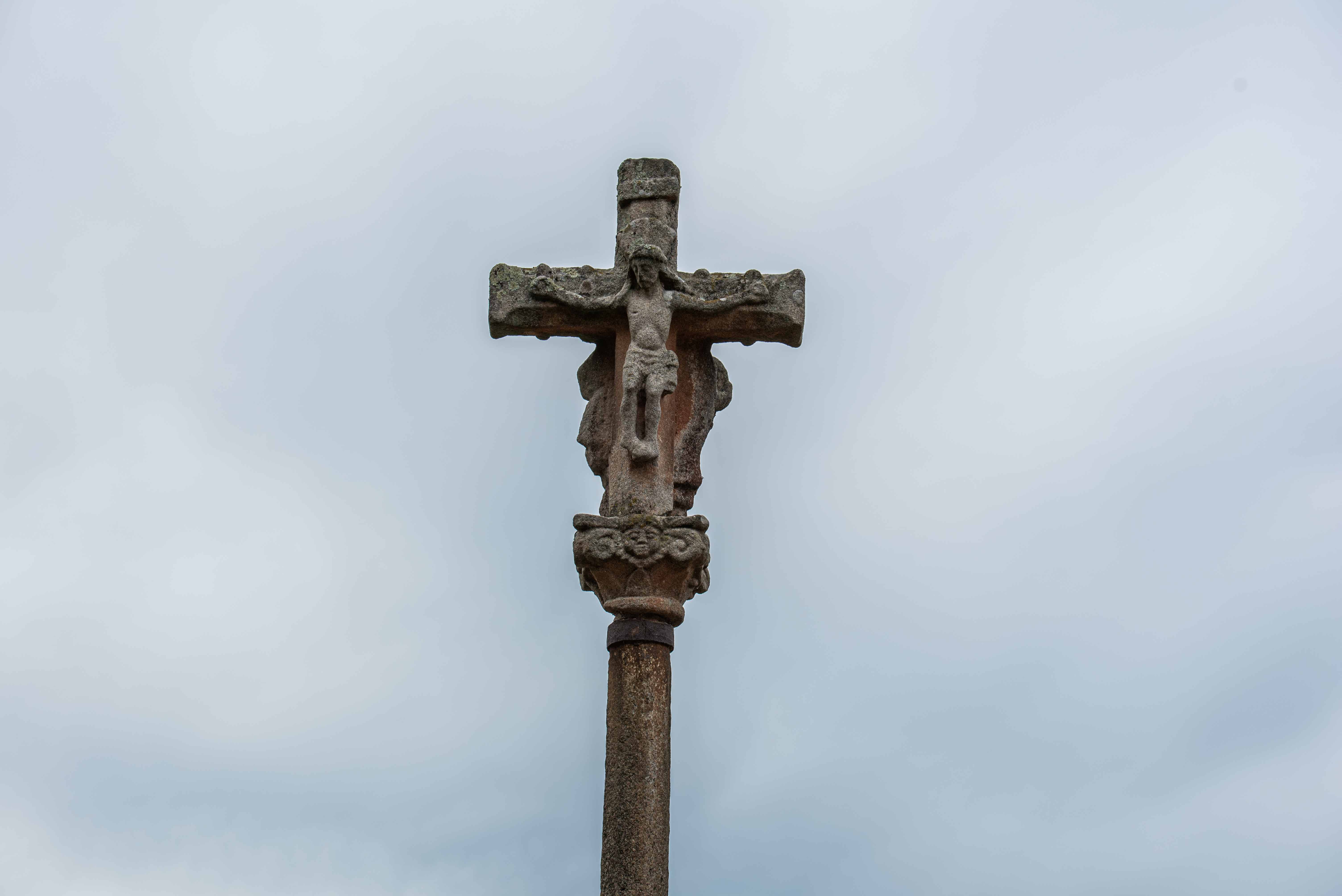
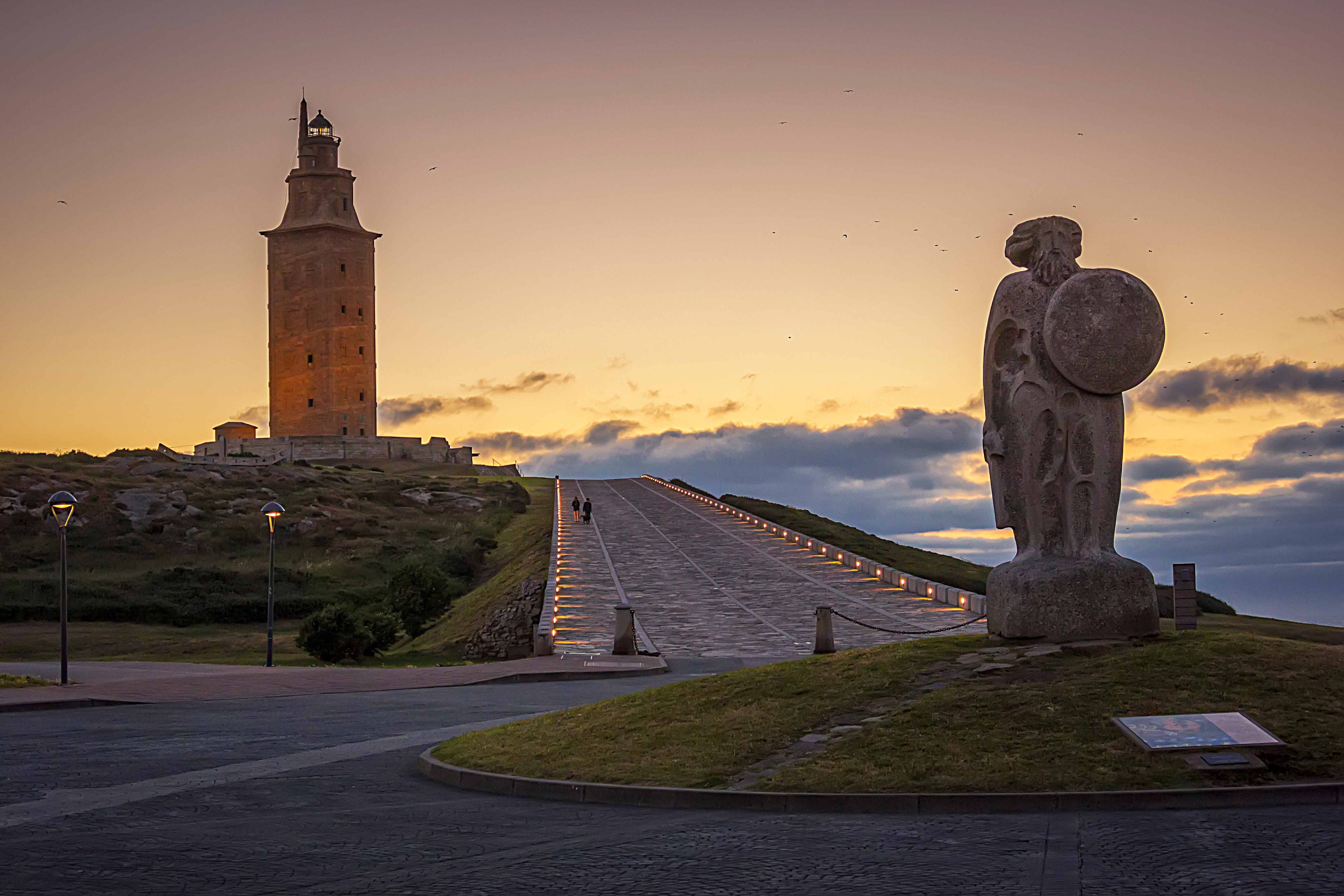
Exploration of the past starts with the self. My blood is bound to Spain’s Ibero-Celtic culture, and to leave its astonishing history in the shadows would be a great shame.
Consequently, to explore this profound historic region, which offers an overwhelming amount of knowledge, draws me to my ancestors, living through what they saw, felt, built, and discovered.
Many foreigners idealise Spain for its scorching weather and sun-bleached whitewashed villas, shaping certain parts of the country as the obvious holiday destination. Consider the cities of Málaga, Marbella, and Seville in the Andalusian south, alongside Valencia, Barcelona, and the Balearic Islands in the east.
The lesser-known northwest, Galicia, is distinct in both culture and geography from the eastern and southern territories. Much of it stays unfamiliar to me, but the curiosity remains.
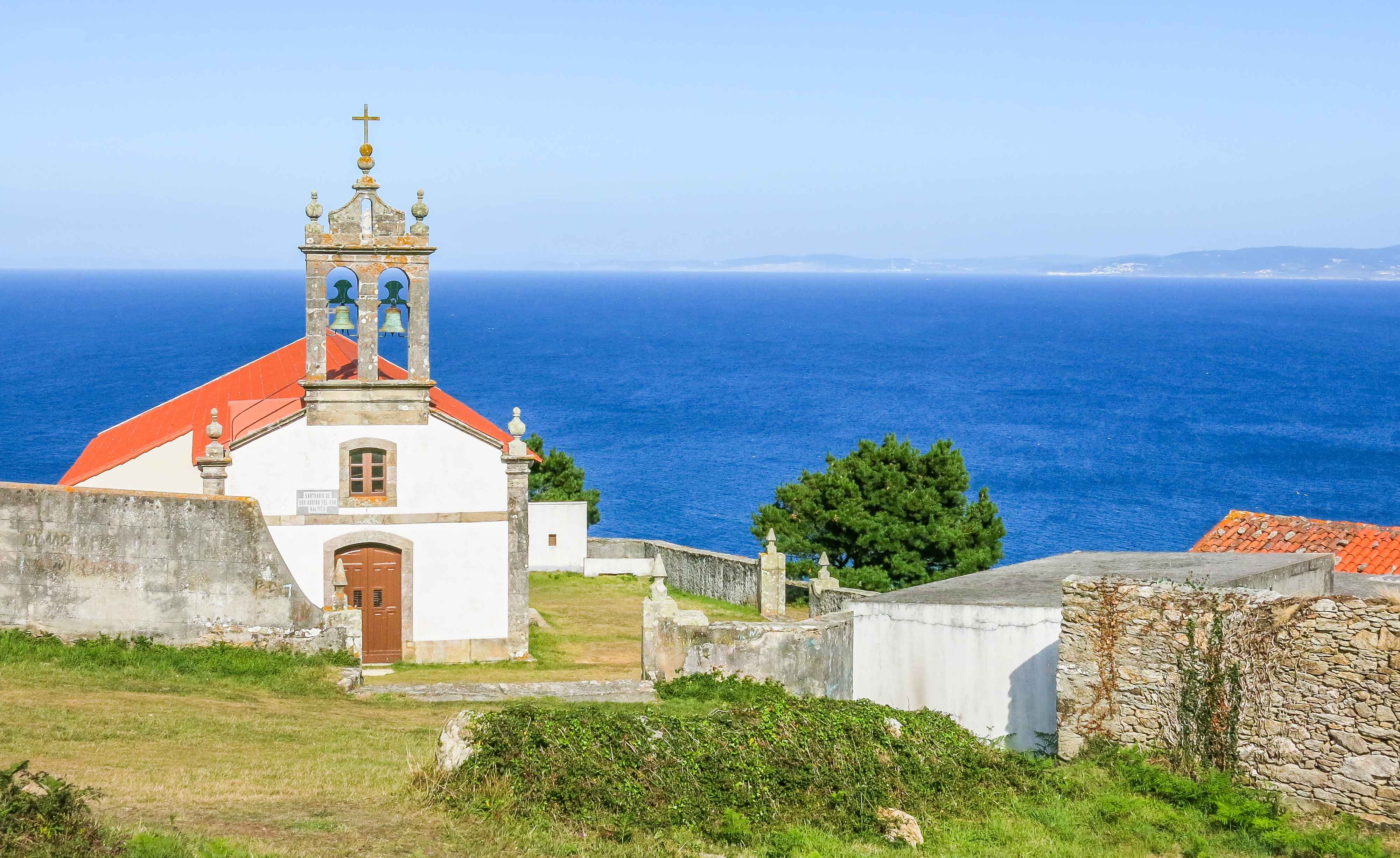
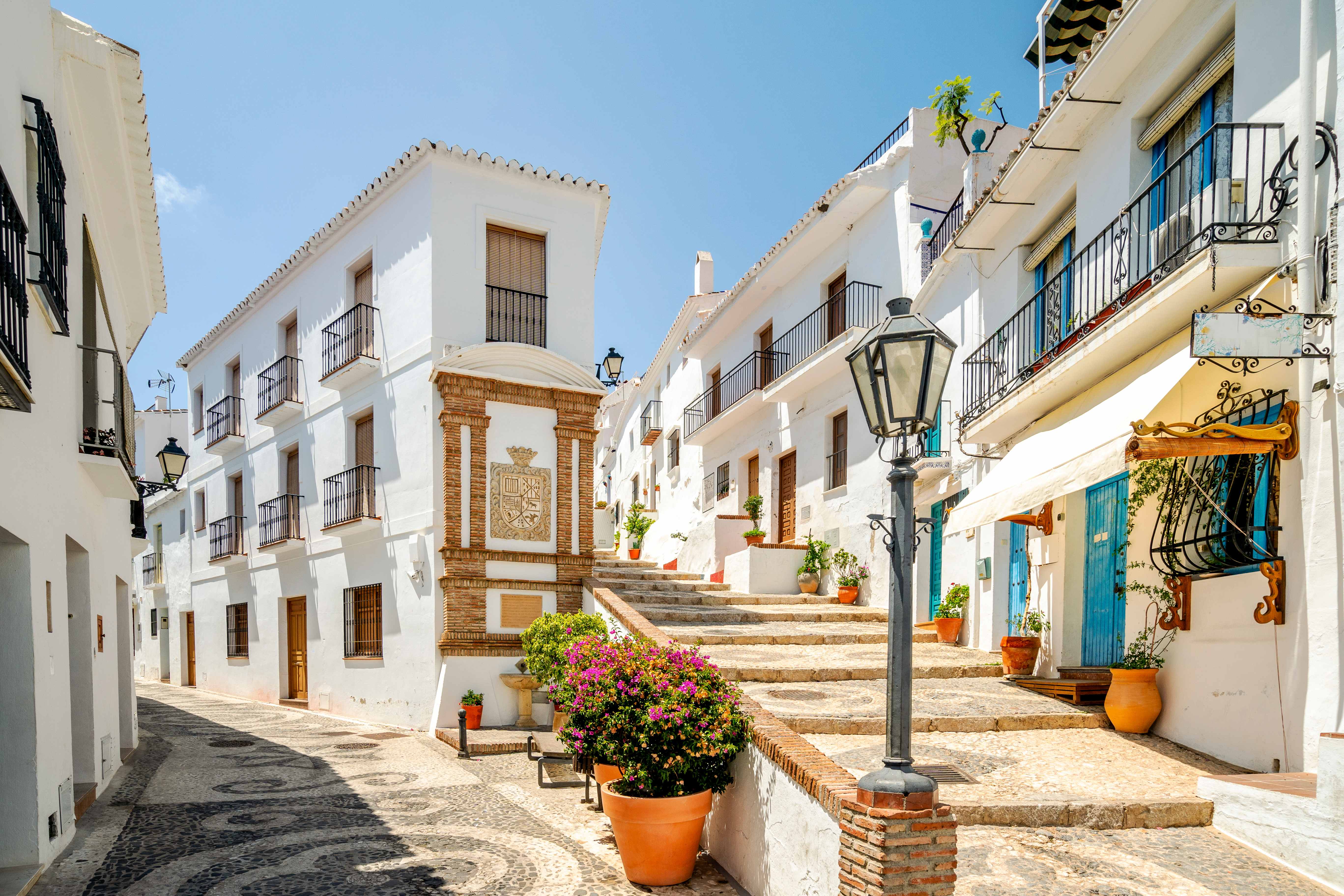
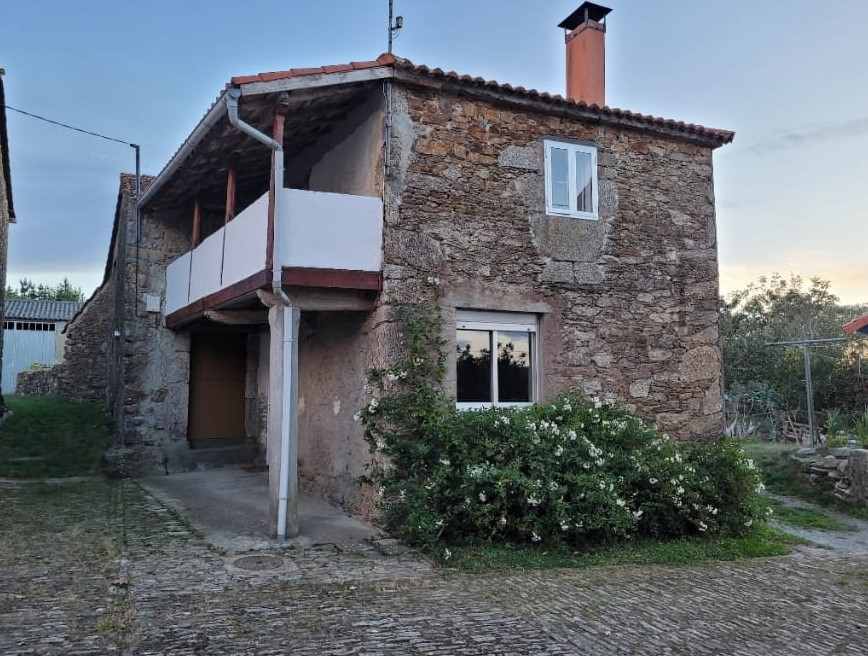
Over the generations, Galicia has, of course, been enriched by agriculture and resourceful rural living. Inevitably, the modern era casts its shadow. Its youth lack interest, and the days of tending livestock and gathering firewood have moved on.
Generations pass, leaving their ancestry behind. Once the elderly pass and their descendants scatter, the old stone villages are left adrift.
The impressive, simple granite stone houses, once full of life, strengthened through the blood and bone of our grandparents, passed down from parent to child for centuries, are nearing their end.
The majority of Spain’s three thousand villages are situated in the northern territories of Asturias, Cantabria, and Galicia. The painful truth is that these calm, nostalgic northern regions are losing their agricultural heritage.
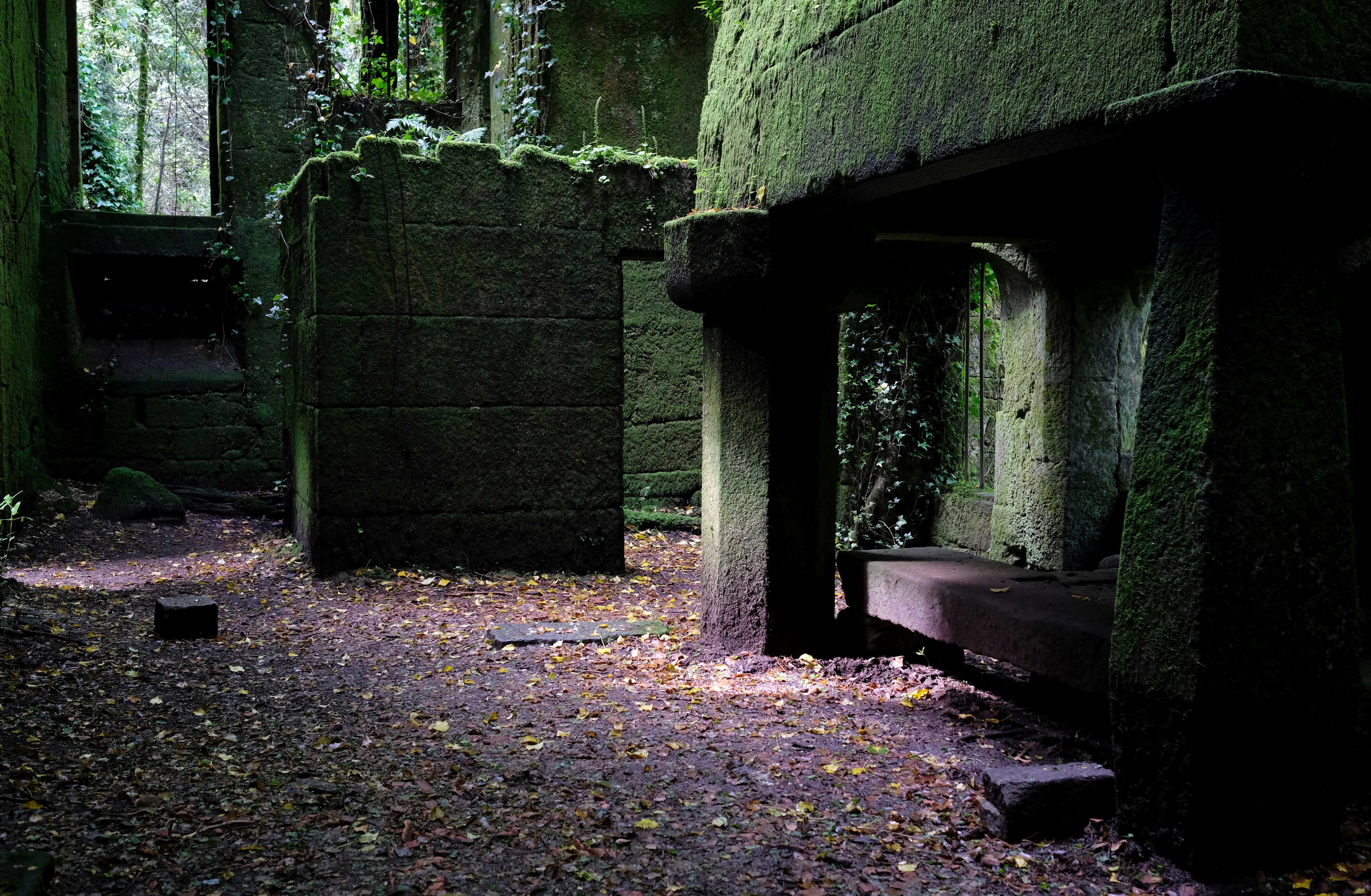
The original culture is fading. The day draws near when the remains of these forsaken villages, still carrying their ancestral presence, will be replaced by hollow structures of steel and concrete, reducing the small homes of our lineage to a passing mention, with no acknowledgement of the lives once lived there by our forebears. No feeling, only an echoed memory that will soon be forgotten. I hope this doesn’t happen, at least not too soon.
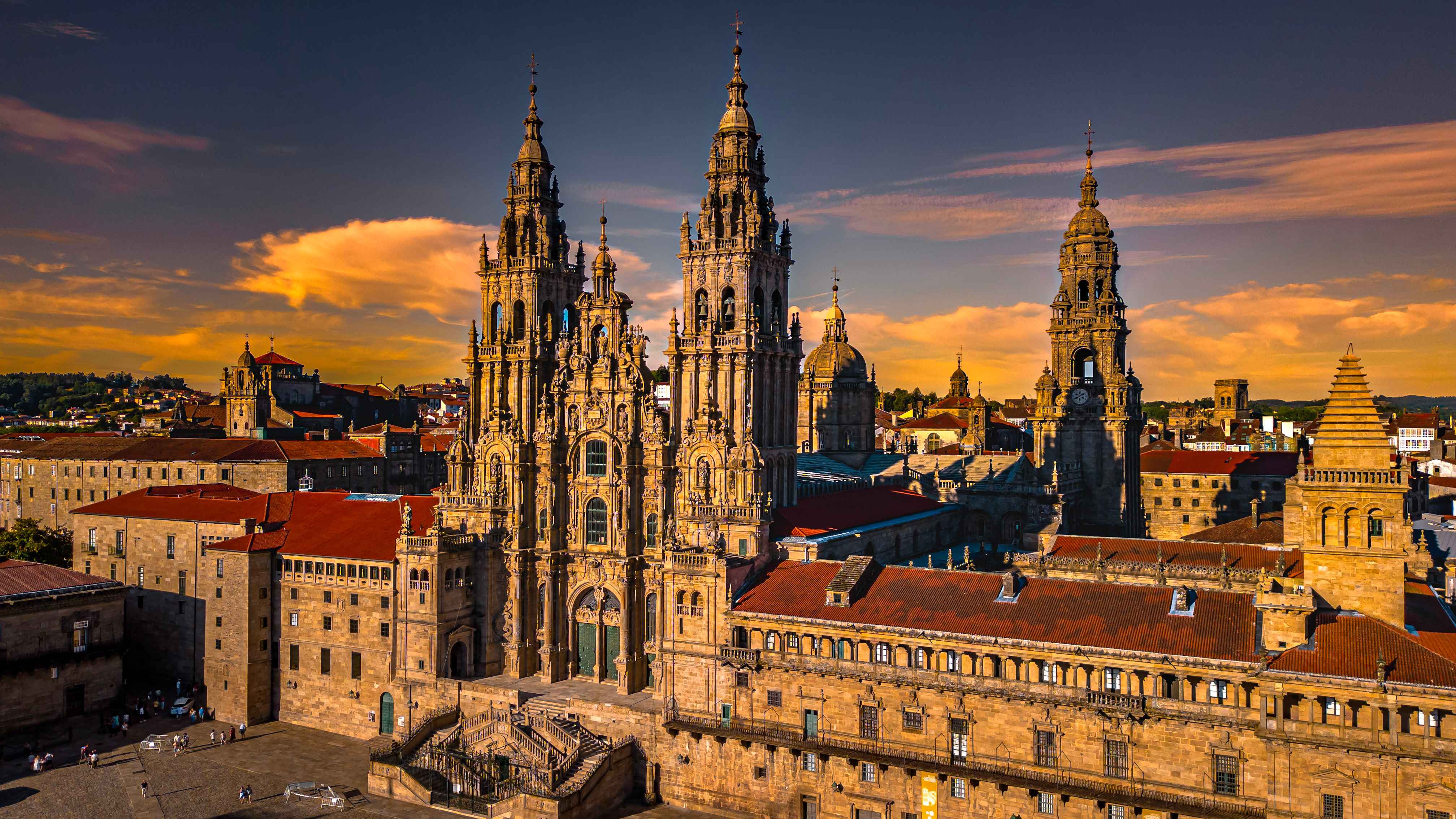
The Cathedral of Santiago de Compostela, or Catedral Basílica del Apóstol Santiago, is a masterpiece that remains a shrine to the Apostle Saint James the Great. Many from all over the world walk its various paths, partaking in the third most important pilgrimage in Christendom after Jerusalem and Rome. To me, Santiago remains a mystery, and the story of Saint James is yet to be unveiled.
For as long as I can remember, nearing the end of their journey, exhausted peregrinos travel across the stone village of my grandparents, carrying their heavily stamped parchment-like relics from every church they have visited along the way. Though nearing the end, the stories they delivered were extraordinary.
My lineal bond generates my curiosity, but for others it is different, perhaps compelled by religious purpose, or by the need to undergo a challenge. Like a Templar Knight embarking on a quest for the Holy Grail? Despite the companionship that the Camino offers, it is a path walked alone.
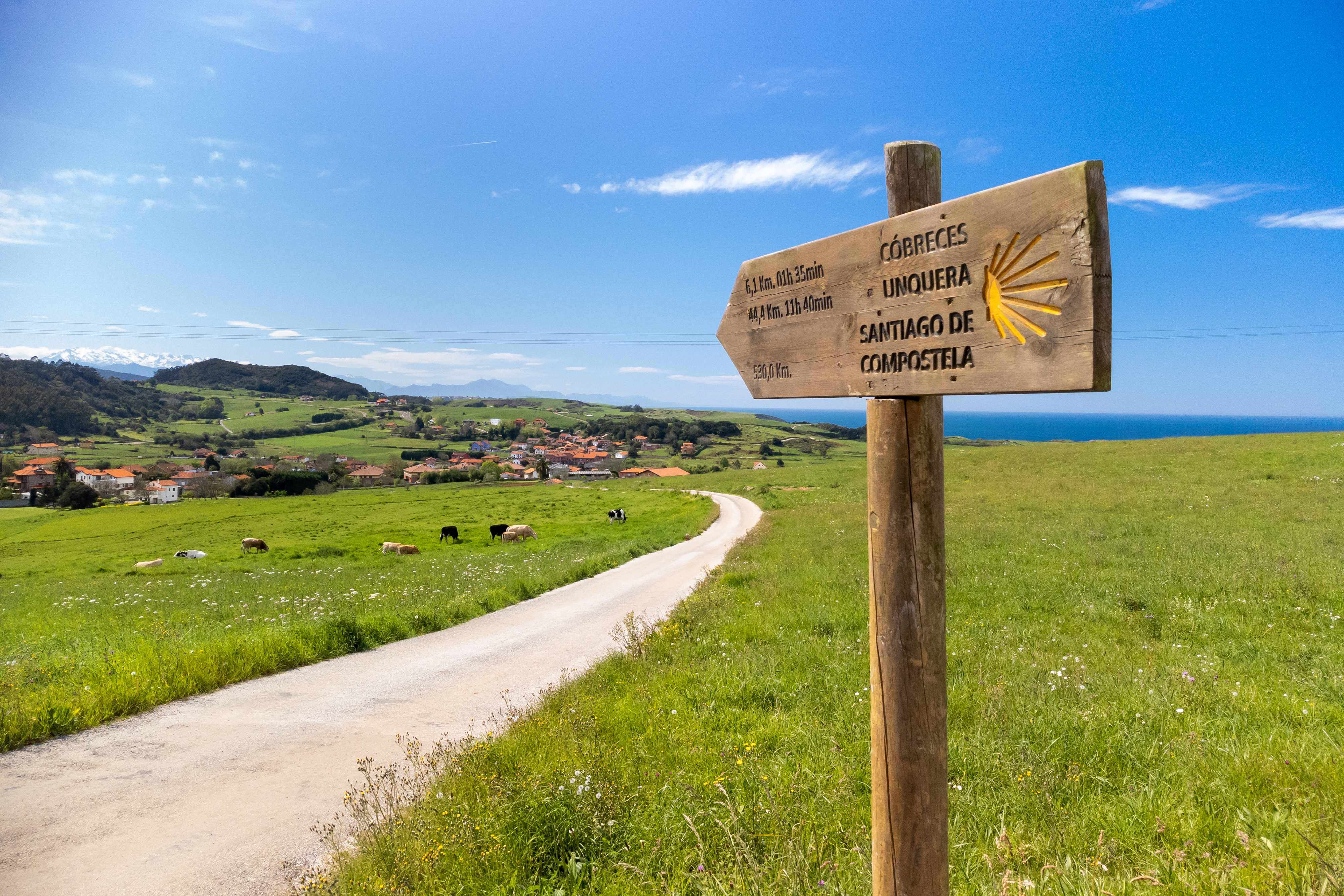
Eight hundred kilometres across the northern Spanish territories, carrying only a walking staff and a backpack from which dangles a white scallop shell bearing a thinly painted red cross, the symbol of its saint. They pass through quiet emerald fields, mist-cloaked mountains, and ancient towns built from the region’s own bones, each leaving its historical mark.
In the heart of the city, once enclosed by its now-demolished walls, stands the remarkable Catedral Basílica del Apóstol Santiago, where many historical stories are told, and beneath which lie the remains of Spain’s patron saint. With an ancestral bond, Galicia’s capital city is one which I am obliged to understand.
The Camino Francés, its primary route, begins in Saint-Jean-Pied-de-Port, France. Other routes exist, notably the Camino Portugués from Lisbon, and smaller journeys from Ferrol, already within Galicia. But the latter does not compare to the lengthy Via de la Plata from Seville, spanning almost one thousand kilometres across the legendary peninsula. Many a time I would dream of walking six weeks from France, crossing the various climates and landscapes to Spain’s holy city.
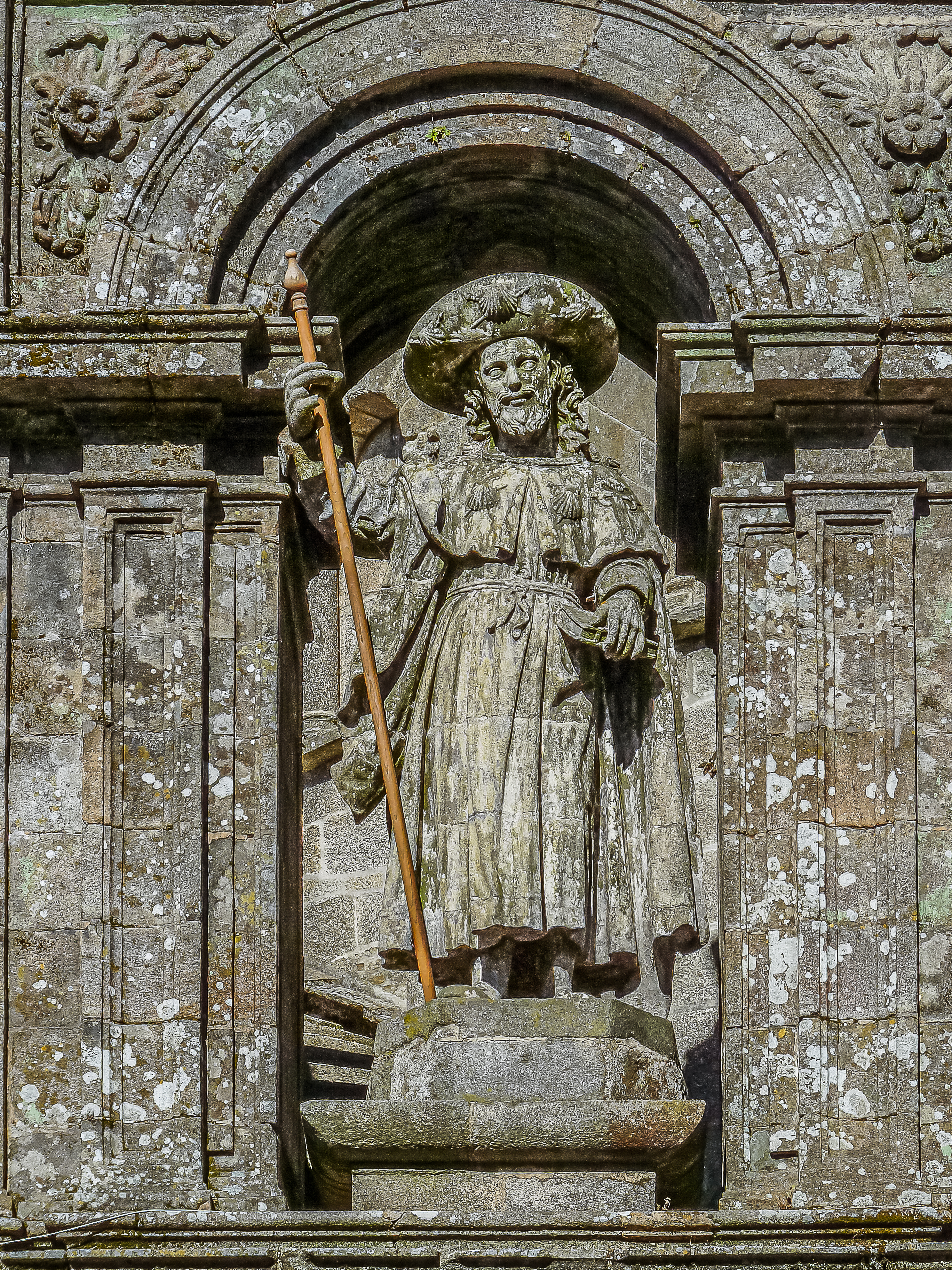
The Apostle Saint James, a fisherman from Galilee and disciple of Christ, spread the word of the Lord across the Iberian Peninsula, evangelizing Roman Hispania before returning to Jerusalem, where he was executed in 44 AD. His body was taken by boat to the northwest of the Iberian Peninsula, now Galicia, where he was buried. According to legend, his tomb was rediscovered in 814 AD, giving rise to Santiago de Compostela. He carried a great mission, and those who came after him would walk, yearning to complete the journey he once made. For over a thousand years, men and women have walked this path — the first pilgrim inspiring the many who followed.
I often wonder how this pilgrimage compares to the others, such as Jerusalem, Rome, or even Mecca. There is something special about committing yourself, many weeks alone on foot, to a city that bears great significance to one’s religious or ancestral values.
I may never uncover every story about this region, nor witness it from where my ancestors stood, but the act of searching, walking the path, and asking questions they never got to answer feels like a form of return. History will never offer certainty, but to get a brief feeling of what it would have been like, rather than read or formally study it, is the most authentic way to relive the past and bring it home.

Website built and written by Joe Francisco.
For enquiries, you can email me directly at joe-francisc0@pm.me